


So why do zinnias attract hummingbirds .
Many florists, horticulturists, and gardners think about this whenever they plant these flowers.
Hummingbirds flying over flowers look really beautiful in any garden.
But hummingbirds only go to the one that has vibrant color flowers like red, pink, yellow and are filled with nectar.
Zinnias are a good option if you want more birds visiting your garden.
Hummingbirds like them because of their vivid hues and easy care.
Hummingbirds like flowers that are readily accessible and appear very vibrant.
Zinnias give flat, open blooms that allow quick nectar feeding.
When planted in groups with other such flowering plants that are high in nectar, zinnias can encourage repeated hummingbird visits.
You also get praised by the neighbours and an overall visual appeal.
In this guide, we will understand do zinnias attract hummingbirds in actual garden conditions.
You will learn the zinnia kinds they like, types of zinnia flowers, and how to plant them so that your garden looks more beautiful.
Do Zinnias Attract Hummingbirds? Key Reasons Explained
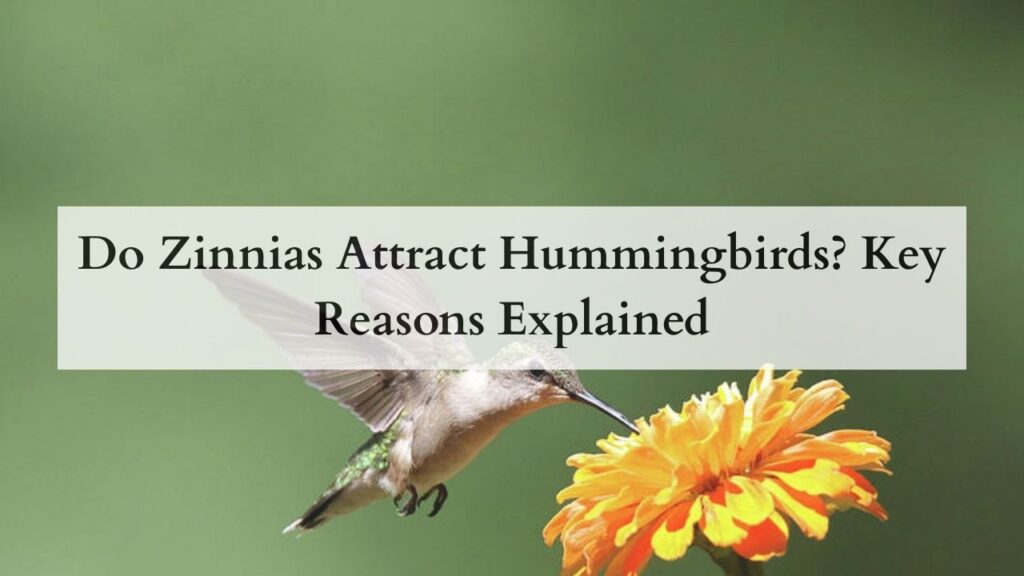
So, why are hummingbirds attracted to zinnias?
Is it because they feed themselves on nectar from flowers and buds? Let’s find out in this section.
There are still many reasons why hummingbirds are attracted to zinnias, mainly.
The main reasons why do hummingbirds like zinnias are listed below.
By understanding the following reasons, you can expect some better results in your garden.
Vibrant shade of Colour
Hummingbirds are specifically attracted towards warm-toned colours to collect nectar.
The main warm tones, red, pink, and orange, are the most popular among them.
Perennial blooming
Where flowers bloom all year round, hummingbirds are attracted naturally.
They need to collect nectar for their lifetime.
The perennial blooming of flowers keeps them hovering at one place for a long time and interests hummingbirds to them.
Plenty of nectar and pollens
The zinnia flowers are filled with nectar for hummingbirds and flies to eat.
These birds are fascinated by zinnias for their sweet delicacies.
The height of the zinnias should be below 5 feet for them to reach.
They also pollinate the flowers and help them multiply in diversity.
Resting space for the hummingbirds
The tabular zinnias are the perfect spot to rest.
There is a space in the flowers that gives access to them.
Resting them resets their energy to work further and collect the nectar.
Attracts the attention of other pollinators
Hummingbirds have the ‘herd mentality’.
Wherever they see the butterflies, bees and wasps go for food, they follow them.
Sunflowers and Zinnias give out nectar and many birds are attracted to them because of it.
The Variety Of Zinnias Hummingbirds Are Attracted To
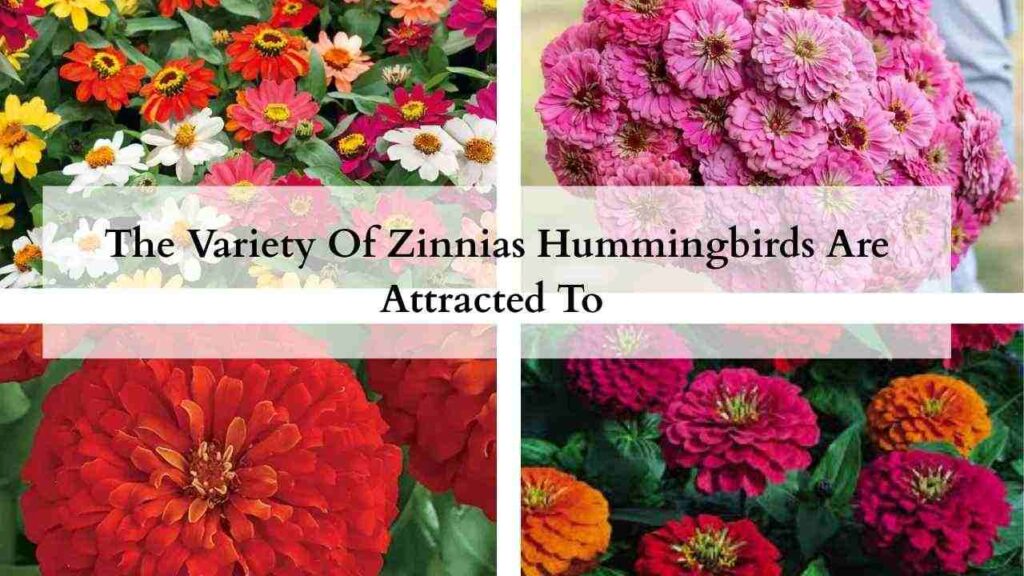
I have mentioned several times in the above section which flowers attract hummingbirds.
They are attracted to petunias, zinnias, and sunflowers.
There is a wide variety of zinnias that hummingbirds prefer because of the large amount of nectar and the resting area.
The top ten varieties of zinnias are listed below, with the feature that hummingbirds like specifically.
Dreamland Hybrid Red
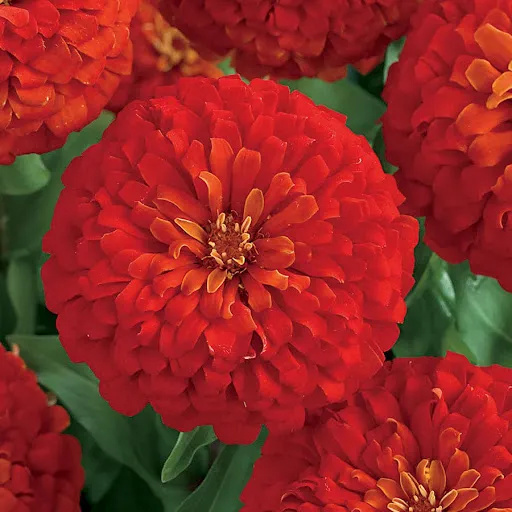
Dreamland hybrid red zinnias are available in bright, warm colours that automatically attract hummingbirds.
They form plenty of nectar and are typically low-maintenance.
It is easy to grow in the garden to create a colourful atmosphere for hummingbirds.
Hybrid red zinnias are active pollinators and bloom all year round.
They are large and provide a perfect, sturdy resting space.
You should plant them in full sun and provide proper water drainage for sufficient growth.
They are the preferred choice of flowers that hummingbirds like.
Cut And Come Again
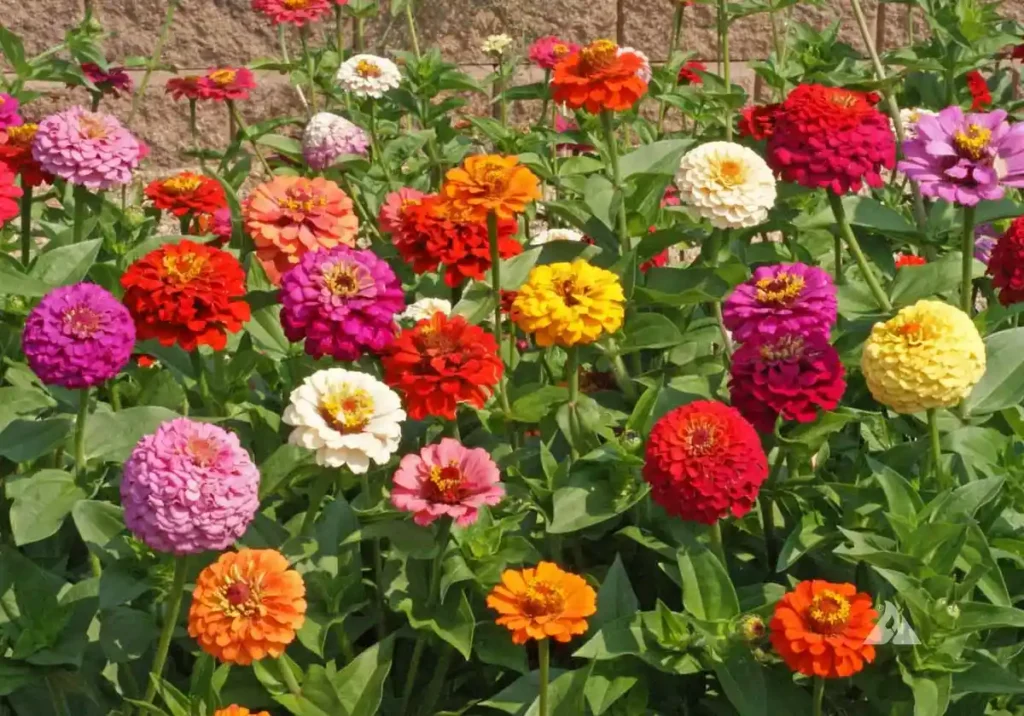
Cut and come again is a part of the Zinnia elegans.
They are bright flowers with nectar pockets that are easily accessible by hummingbirds to eat.
It is clearly visible because of its orange and pink hues.
They bloom all year and attract them to feed on for an abundance of energy.
The production of the nectar and flowers is consistent.
They come in various varieties of ruffled, semi-double and single type providing a sitting space for them.
It is easily grown from seeds in the garden.
Benary’s Giant
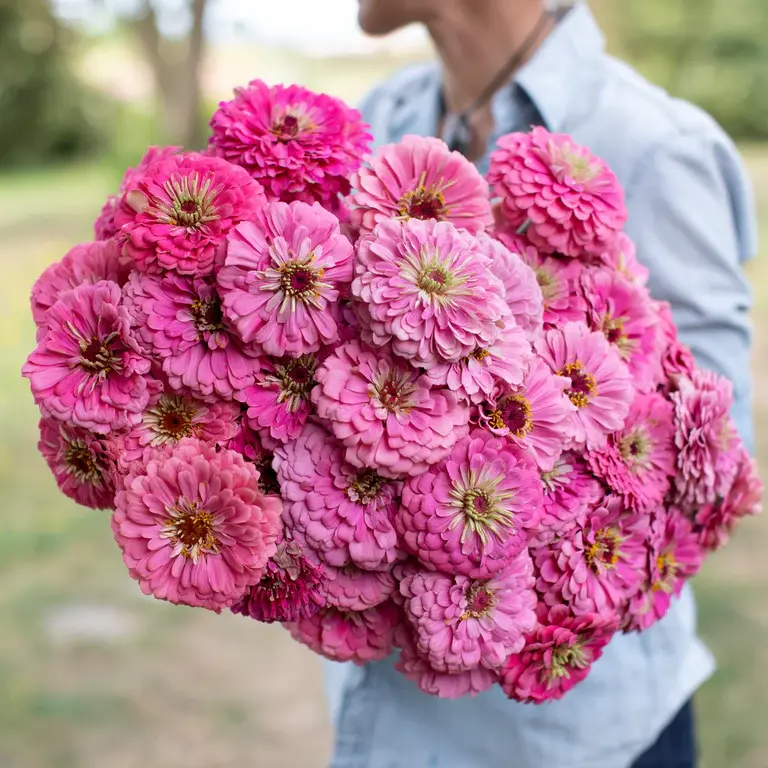
The large and open benary’s giant zinnias grow all year, providing a cosy resting space for hummingbirds.
They are normally pink, red, and orange to attract them from far.
Benarys are excellent at the production of nectar that pollens for the whole summer.
It will grow healthy if it is deadheaded many times a year and placed under direct sunlight.
It offers a sufficient space for hummingbirds to feed themselves.
The massive coverage of the garden will make it a hovering spot for them.
Magellan Coral Zinnia
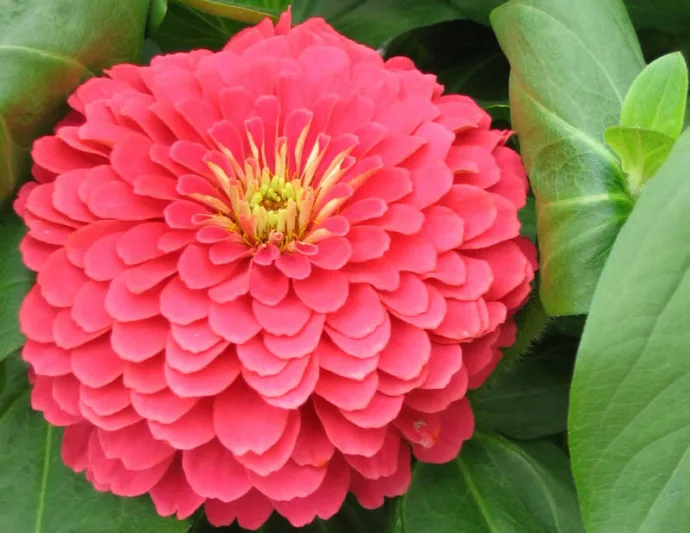
The magellan coral zinnia is one of the varieties of magellans.
It is popular among hummingbirds.
They feed themselves healthy, sweet nectar from these fruitful bloomers.
Hummingbirds see them as a beacon because they are easily visible among the other flowers.
It blooms from summer to fall until the beginning of winter, being a constant source of food.
The size of the flower is compact and provides sufficient space for hummingbirds to stay.
It can be easily grown in small containers or front yards.
Coral zinnias are highly effective flowers for them to target in any space.
Zowie! Yellow Flame
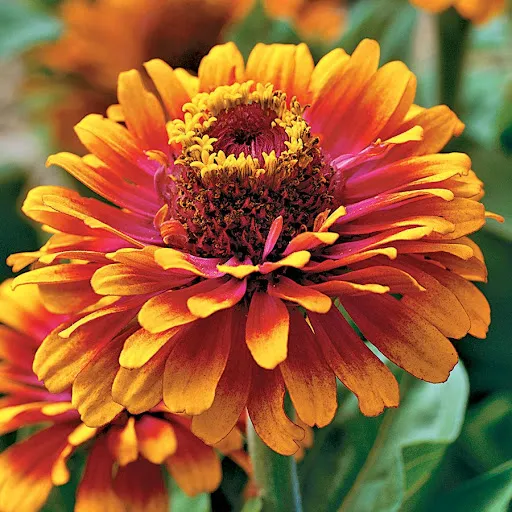
Zowie grows firmly and blooms all year, providing a healthy source of food for hummingbirds and butterflies.
They thrive under the full sun and are open, dense and reliable in nature.
It is easy to feed on for hummingbirds as they have enough space.
They produce starfish-like pollens with rich, sweet nectar produced in the centre of the flower.
It is favoured specifically by hummingbirds for the easy access to the food.
Zinnia Elegans
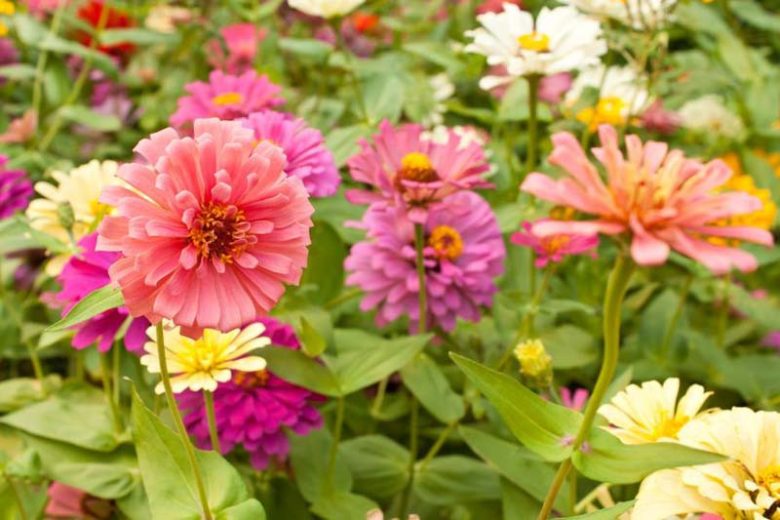
They are bright in hues and bloom all year long until the first frost.
Hummingbirds are attracted naturally to these flowers because of the warm hues like red, orange and pink.
Red and magenta flowers attract the hummingbirds a lot more than other flowers.
It has easy growth throughout the year. The flowers appear identical to daisies when they bloom.
It makes space for hummingbirds to access it.
It has a deep-throated structure that keeps a lot of sweet nectar.
They are active ecological agents in the garden, to constantly attract butterflies, hummingbirds, and bees.
Profusion and Zahara Zinnias
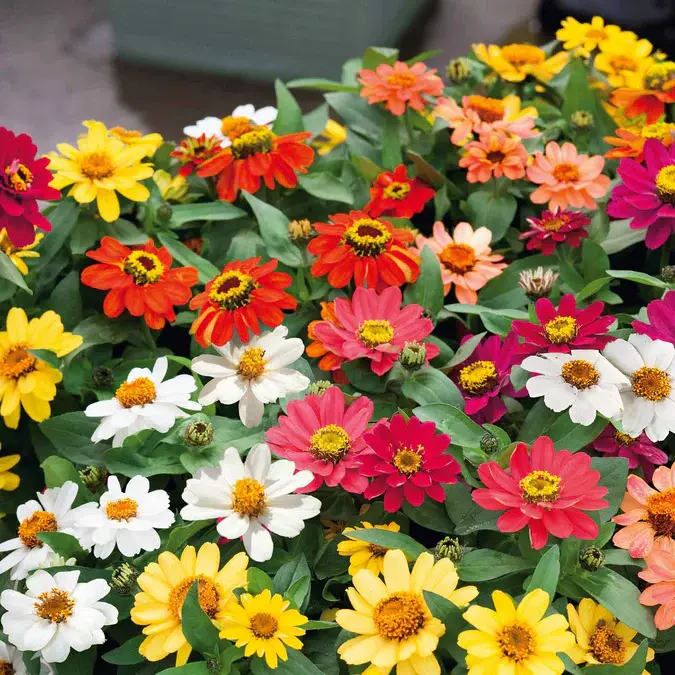
Profusion is a drought-tolerant and disease-resistant species of zinnias.
On the other hand, Zahara is larger than profusion in size by twenty percent and comes in various colours.
They are highly liked by hummingbirds because of their features, and they produce nectar in high quantities.
The ideal structure of the flowers is magnetic to the butterflies and hummingbirds.
It has a deep trumpet-like structure, which is easily accessible to them.
They are considered the highly efficient pollinator magnets for the flocets.
Cactus-Flowered Zinnias
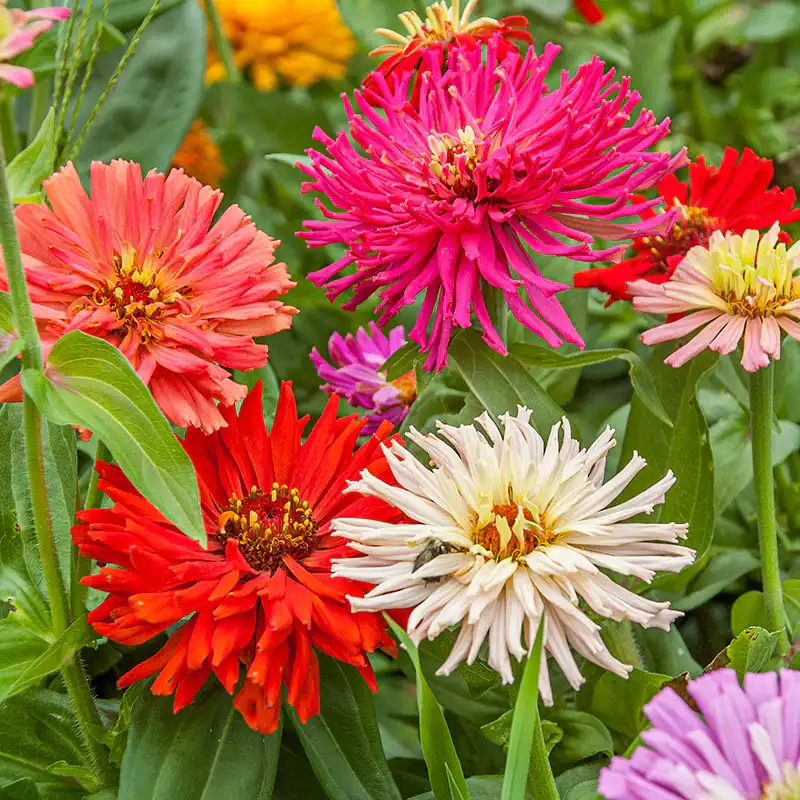
The cactus flowered zinnias are vibrant in colours, usually appearing in reds, oranges, and pinks. They are not like other zinnias but are highly attracted to them.
It blooms until the first frost, being a consistent source of food.
They hover over it because of its suitable height.
Hummingbirds are satisfied with the healthy nectar produced all summer.
It is a suitable choice of zinnia flowers for drought-tolerant regions.
The most common pollinator of these claret cups is hummingbirds, lay aside bees and flies.
Thumbelina Mix Zinnias
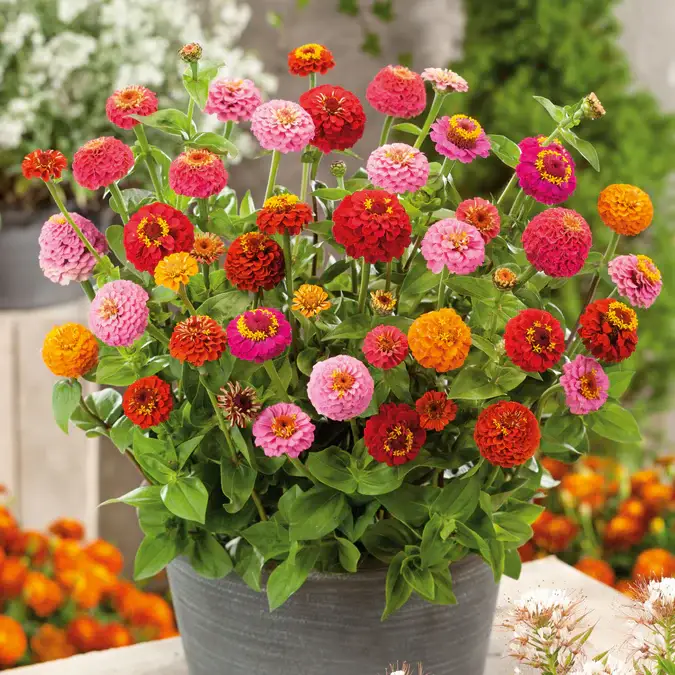
They are popular as small but mighty and are highly efficient pollinators.
The thumblina mix zinnias attract the hummingbirds and come in a variety of purple, red, pink and orange. It has easy access to the nectar for them.
These dwarf zinnias are a long lasting source of food, and if they are deadheaded routinely.
They only bloom in containers of 4-12 inches and can be put anywhere under full sunlight to thrive.
It is considered attractive by hummingbirds, bees, flies and butterflies.
They grow to be the darling of the garden when planted.
Queeny Lime Orange Zinnia
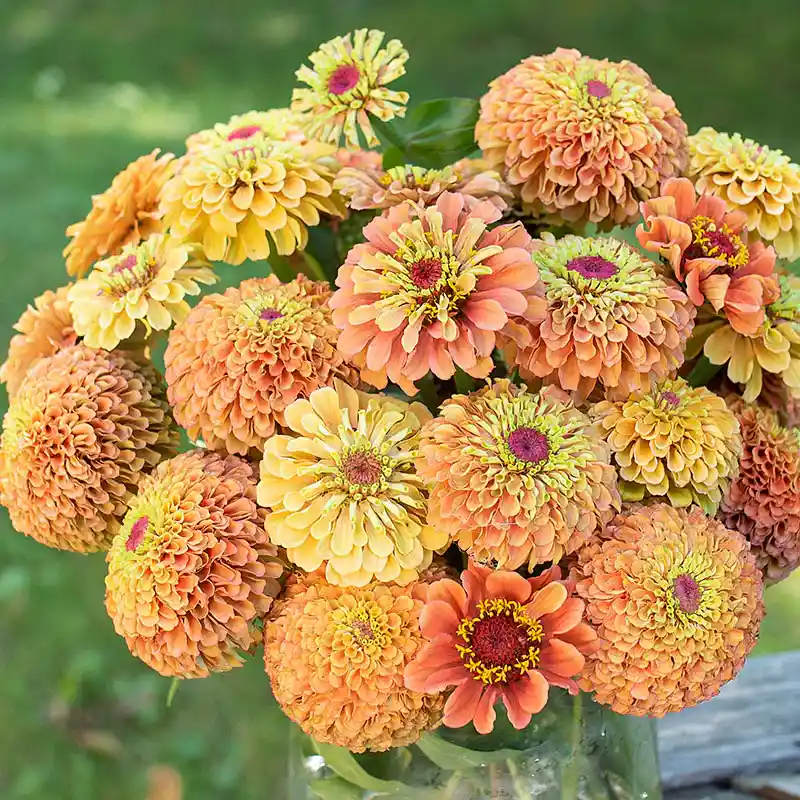
The queeny lime orange zinnia is a beautiful flower in the apricot–peach hue that blooms in the summer.
It is a great flower at attracting a great density of pollinators.
Queeny zinnia provides the sugary nectar to them from the double-layered structure. It is grown in the fertile soil that holds moderate moisture.
You can keep them fresh for up to 3 weeks.
They are bright flowers that can be maintained easily until the first frost.
The basic pinching and deadheading will encourage the life of flowers.
It works perfectly to attract pollinators but resist deers as they feed on these flowers.
We just learnt the top ten varieties of the zinnias that attract hummingbirds.
They are all bright-coloured plants that directly face the sun.
They blossom through the summers and attract other pollinators until the first snow hits.
Some simple tips can really improve the life of flowers in your garden.
Simple Tips to Attract More Hummingbirds
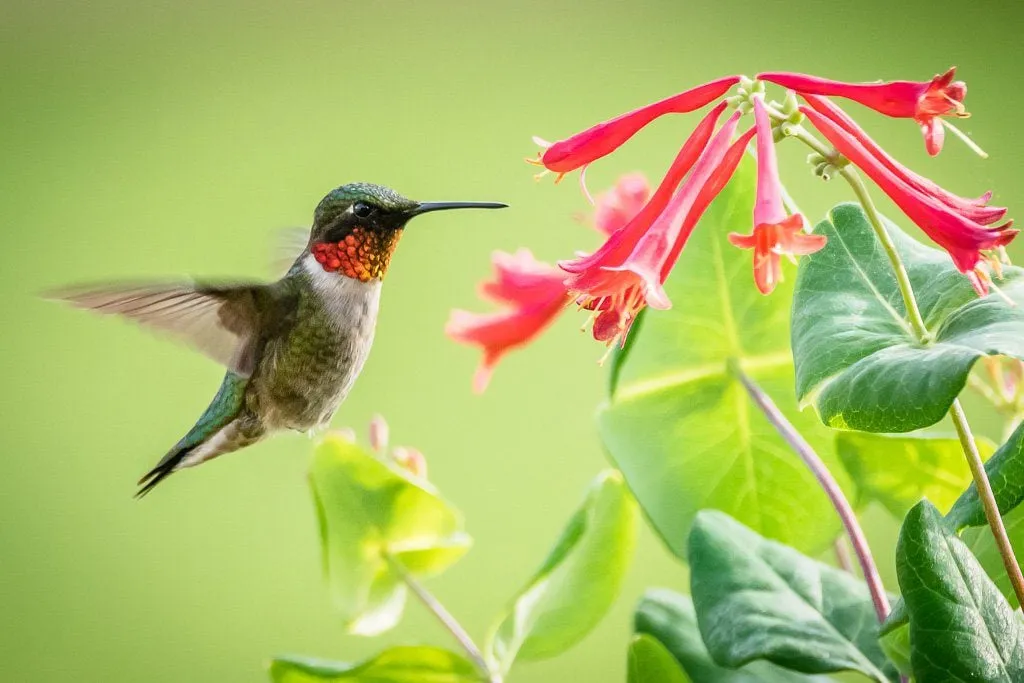
Now that we have understood the fact that – Do zinnias attract hummingbirds?
Let’s explore some tips and tricks that can help you attract more of these adorable bugs in your garden.
It will not even take too much of your time and the flowers will bloom the whole year.
It will also attract a distinctive variety of pollinators until the end of the fall.
Use pesticides more to eliminate small insects/deadhead routinely

The use of pesticides is important to eliminate small insects and wild roots.
It resists them from taking the nutrients of other flowers.
They boost the growth of the plants and give high-quality results.
You should routinely remove overgrown deadheads and keep the foundation clean.
Hummingbirds are attracted particularly to healthy zinnias for sweet nectar.
Use a mister (waterbaths)
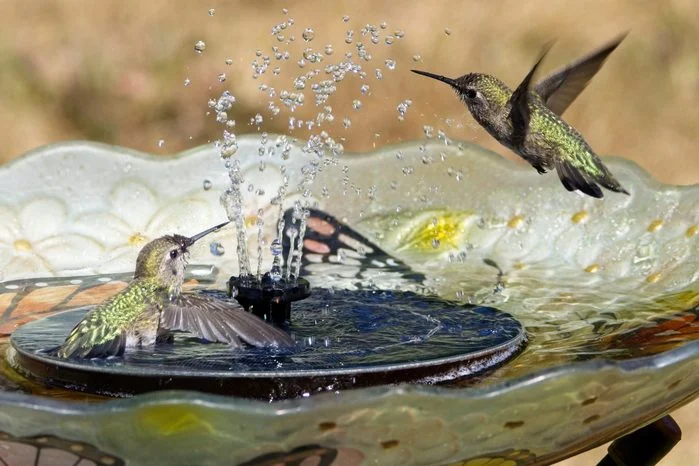
Hummingbirds love to take a bath and stay clean.
And adding a mister will make it a functional feature of the garden.
The mister is a water trough that small birds and animals use to drink water or take a bath.
Provide red feeders
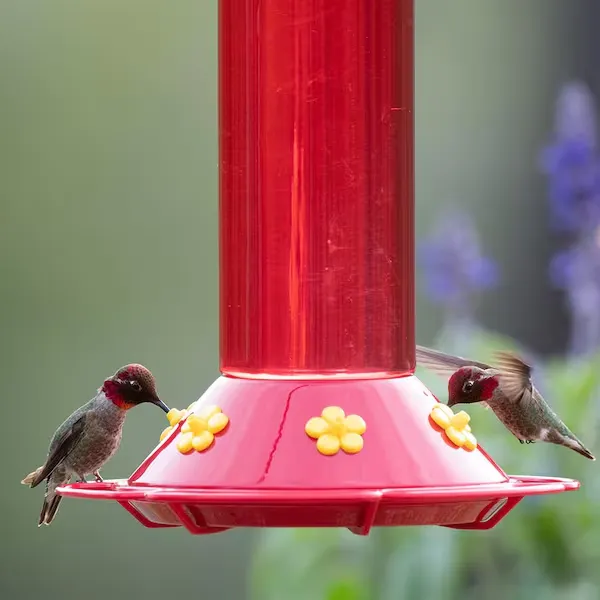
Hummingbirds are attracted to bright and vibrant colours, such as red, orange, and pink.
You should use red feeders in your garden to catch the attention of the hummingbirds.
The feeder should be hung in the shade to be clearly visible to them.
It also prevents fermentation in the feeder.
Plant native favourites along with zinnias
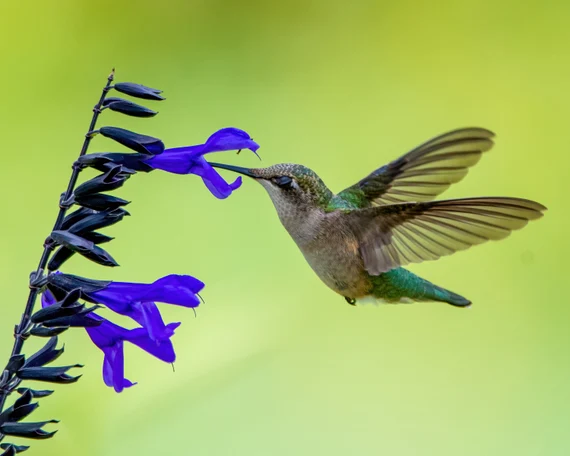
Along with zinnias, you can also plant salvia, beebalm, and butterfly bush.
They are open and give fragrant for a long time.
The other varieties would be fuchsia, petunia, and columbine.
What not to plant near zinnias to attract the hummingbirds is still a skeptical question.
You should avoid tulips, roses, lilies, and lilacs.
They are closed and hold less quantity of nectar.
Set up perches
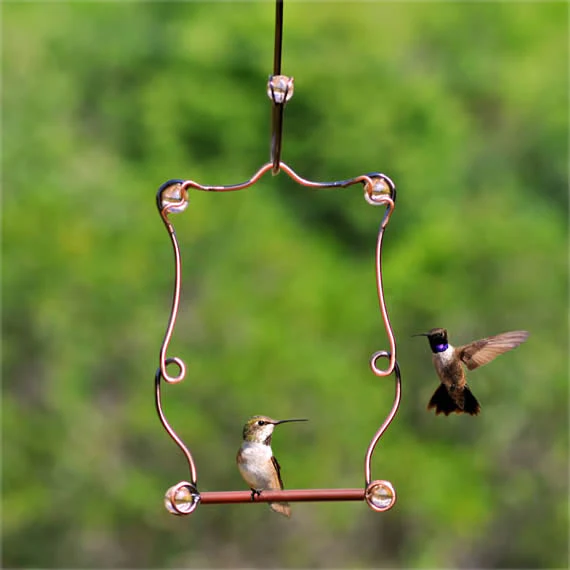
After feeding on the nectar, hummingbirds tend to rest on twigs over the ground.
They are small in size and get tired easily, but still visit up to 1000 flowers.
They also eat insects, which can potentially harm the growth of the flowers.
Setting up perches gives a temporary resting spot to hummingbirds.
If you focus on these tips, then you can attract a decent number of hummingbirds in your garden near zinnia flowers.
You should also take care of the cleanliness around the zinnias.
It is also advised to be patient and put constant effort to see visible results.
The hummingbirds impact your garden positively and help attract them.
You have to work consistently all year round.
Conclusion
Do zinnias attract hummingbirds? Yes, they do.
Zinnias are great choice for attracting hummingbirds.
It’s all about how you plant them and where you plant them.
Selecting the correct type of bloom and planting them towards the direction of the sun, will boost the garden appeal.
We also understood the main reasons why do hummingbirds like zinnias.
These include colors, nectar, and season availability.
We covered ten zinnia varieties that hummingbirds usually visit, helping you choose the right type for your space.
Towards the end, we also discussed tips to attract more hummingbirds.
At the end of this guide, we hope we have answered your question ‘do zinnias attract hummingbirds’.
We would definitely recommend to pair zinnias with other colorful flowers to enhance your garden look.
FAQs on Do Zinnias Attract Hummingbirds
Hummingbirds are attracted to zinnias like Come and cut again, dreamland hybrid red, thumblina mix zinnias. They are bright coloured, bloom all year round, and are perfect pollinators. The perfusion and Zahara are two distinctive zinnias reliable for hummingbirds.
The number one flower that attracts hummingbirds is Salvia. It is a bright red colour that has an abundance of nectar. They bloom perennially, and specific species like red salvia and pineapple sage. The red, orange, and purple are the most attractive hues among hummingbirds.
The key threats of the hummingbirds are avian, ambush and nest predators. There are some environmental factors including cats and natural disasters. The hummingbirds also die within a year because of their high metabolism if they feed on the nectar excessively.