


I had been stressed lately, so my doctor suggested that I drink herbal tea as it relieves stress. I faced great confusion, choosing between feverfew vs chamomile tea.
They look almost identical because of their white petals with a yellowish centre. I needed a tea that tastes calming and can be beneficial for my health.
Both herbal flowers look similar to a daisy, which makes it hard to decide between the choices.
In the context of feverfew and chamomile, Feverfew flower has a raised centre, whereas those of chamomile are flat. They bloom in their own period; feverfew all year long and chamomile blooms usually between June-September.
With this comparison, many differences occur between them, which I learnt after constant use for months.
In this guide, I will help you understand the main difference between Feverfew Vs Chamomile, according to their appearances and features. You can choose a perfect herbal cure that can help you feel calm and relaxed.
What Is Feverfew?
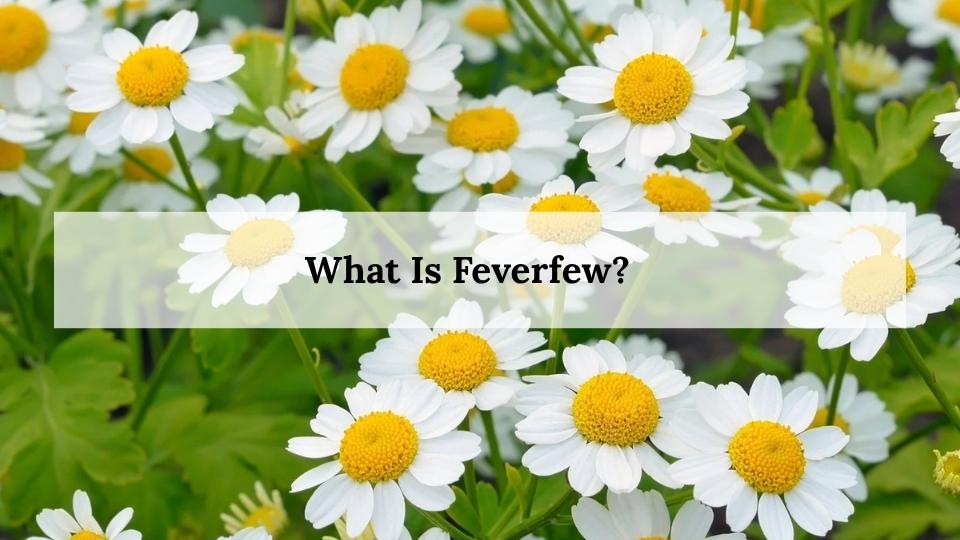
Feverfew, also known as Tanacetum parthenium, is a medical herb that belongs to the daisy family. I asked my neighbours,” Is feverfew invasive?” They agreed. Their aggressive nature to multiply on their own spreads them globally.
People have been using this herb for centuries now as it cures headaches, fever and inflammation. Feverfew works in a certain way by unblocking the blood vessels and releasing inflammatory substances that help the body feel at ease. The taste of the herb is bitter and grassy even as a tea.
It is found in various forms, with the most preferred form being tea. This herb is used in capsules and its leaves are chewed for medicinal purposes. You may have to consume it almost every day to feel the impact.
It is useful but if you are pregnant or have bleeding disorder, then avoid taking it. Feverfew tea is commonly used for migraines and inflammation. You can use this herbal tea for yourself but it comes with limitations and side effects that require doctor’s guidance.
What Is Chamomile?
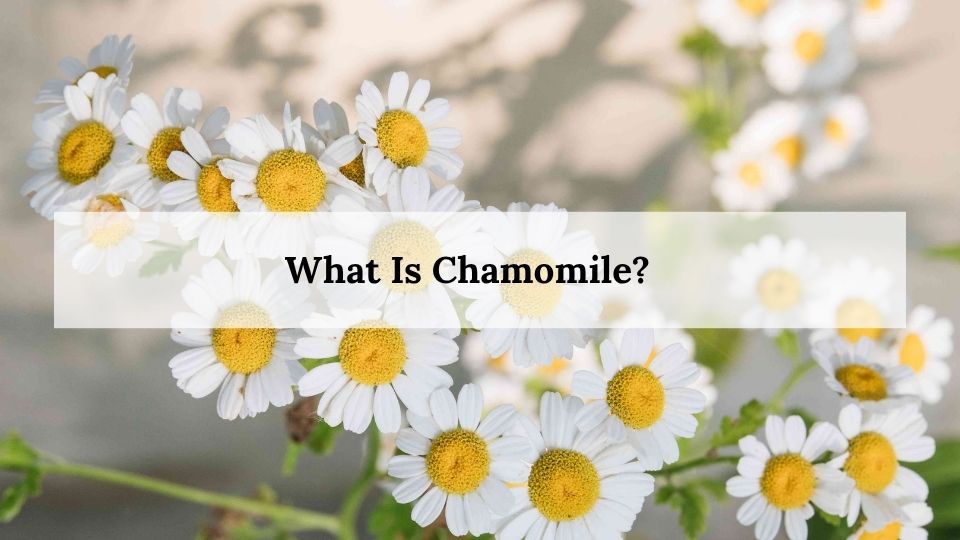
Chamomile is used as a medicinal beverage for relaxation, menstrual relief and for other health benefits. It releases brain receptors that help you with stress relief and other purposes.
Chamomile relaxes the stomach nerves and works well for digestion and inflammation. You can drink it once or twice a day and it has a sweet taste that makes it a comfort tea. With such soft and pacifying.
People prefer this as a tea but you will also find it in the form of capsules or essential oil. It is best consumed before bedtime as it relaxes the muscles of the body. You can take chamomile as any form without any addiction.
It does not cause any side effects, but if taken as a sedative, it can leave an impact for a longer time. Chamomile is perfect for body relaxation and digestive issues, but if you have an allergy or are on other medicines, then avoid taking it. As a beginner, I chose to rely on chamomile tea for my mental stress.
Key Differences Of Feverfew Vs Chamomile
Now that we know about Feverfew and Chamomile Tea, the major differences between them are thoroughly discussed below. They both have a unique appearance and a distinctive taste, with other major differences.
You can even see the visible variations in texture of the leaves, centre of the flower and the aroma. Along with these differences, I will tell you which herbal remedy is beneficial for your health.
Origin
Feverfew and Chamomile flowers belong to the extensive daisy family, Asteraceae. The feverfew, called Tanacetum Parthenium, originates in southeastern Europe. It was cultivated conventionally in yards and farms of Europe, which later spread widely across the world.
On the flip side, chamomile is called Matricaria chamomilla, which originates from Europe and Western Asia. It has an extensive heritage of use in Egypt, Greece and Roman times, which is still in use in the same way as before.
Flower
The flowers of feverfew and chamomile, both have different appearances. The feverfew flowers are flat in shape and are surrounded by short petals closely around the yellow flat disc.
They grow denser in clusters and look bushier. Overall, it looks like a cluster of small daisy-like flat flowers. However, a chamomile flower is cone-shaped with a raised yellow centre. It has long and drooping petals, which are spaced at a uniform distance.
The soft and light texture of the chamomile flower looks surreal and elegant.
Leaves
Feverfew leaves are broad and segmented but if noticed carefully, due to serrated margins on the edges, it has rough texture on the touch. The colour of the leaves varies from bright to yellowish green as time passes by, in contrast. They are really dense, resembling chrysanthemum leaves.
In contrast, chamomile leaves are light green with airy placement. The soft edges of the fine and feathery leaves suit the refined appearance of the chamomile plant.
Scent
My neighbour’s garden has both of these herbs. They suggested that I pluck them fresh for tea. When I came across the feverfew plant, it had a bitter aroma that was intolerable for me. They have an earthy smell that feels highly medicinal for health purposes.
Then, I went to pluck chamomile for tea, which has a sweet aroma that made me feel calm at an instant. Such a floral and apple-like smell was calming. Even after drying them under the full sun, it has a fading pleasant aroma.
Growth
Now that I am consuming the tea daily, my neighbour helped me grow them in my garden. As for information, he told me that the feverfew plant grows at least 30-70 cm perennially. It has thick stems but a dense structure.
Feverfew seeds are small in size but are capable of self-seeding in peak growing seasons. When it comes to chamomile, it grows annually at a height of 20-60 cms. It has delicate, thin stems with a light structure. It has minute-sized seeds that can self-seed.
Forms
Feverfew is commonly consumed as capsules and chamomile as tea but they are available in other forms too. Feverfew tastes bitter but it has a strong medicinal smell, which limits direct consumption. It is used in migraine supplements.
On the flip side, chamomile has a floral and sweet taste that is perfect for tea and essential oil for relaxation. It is used highly for skincare purposes and stress relief. You should consume them every day but not together, to notice the subtle impacts on your lifestyle.
| Basis | Feverfew | Chamomile |
| Origin | Southeastern Europe | Egypt, Europe and western Asia |
| Appearance | Short white petals with a flat centre, dense and sharply edged leaves | Cone-shaped petal with a raised yellowish centre, airy and delicate, with long drooping leaves |
| Scent | Bitter and grassy | Sweet and Apple-like |
| Growth | Perennially | Annually |
| Best used for | Migraine, inflammation and pain relieving | Stress relief, sleepiness, relaxation, digestion and skincare purposes |
Which Herbal Remedy Is Better For You?
To begin with, when it comes to feverfew, it is considered to be the best medicinal herb that cures your headache, fever, pain and inflammation. It is consumed mostly as capsules because it works more quickly that way.
The feverfew benefits are specified for migraine prevention as it reduces the frequency and intensity of headache which bothers you. It has a stronger impact on the overall physical condition over time.
Furthermore, chamomile is a daily wellness tea which is perfect for sleep, relaxation, digestion and skincare purposes. It naturally calms your brain activity and sets you to sleep early.
If you are a beginner like me when it comes to herbal tea, then you should go for chamomile. It not only improves your health but also has no harmful side effects.
Doctors advise drinking it at least two hours after your last meal of the day. When I continued taking the tea, it distressed my cranial nerves and made me feel at ease during my working hours.
Before switching to herbal tea, we often confuse between Feverfew vs chamomile tea but they are not interchangeable at all.
In the case of headache, pain or inflammation, feverfew wins and if you are a patient of insomnia and often face stress, then chamomile tea is the best for your health.
Feverfew Vs Chamomile Reddit Review
Soon after I started taking chamomile tea for my stress, it became really beneficial for me. Later, after exploring deeply about feverfew vs chamomile Reddit, I got to know more information about them.
I read a comment on Feverfew when the Reddit user stated, “Feverfew, aka “medieval aspirin” is also an excellent medicinal plant. If there weren’t enough reasons to love it already”
As we have discussed before, feverfew is the best medicinal herb that tastes bitter but works well for migraine, pain relief and inflammation.
In the context of chamomile, I found this Reddit comment stating, “It is a legitimate fast acting anti anxiety substance and also has great effects on general sense of well being”
What this comment is saying, I can completely agree with this statement. Chamomile tea has helped me with stress and also improved my physical health completely. You should try switching to chamomile tea as a daily beverage and feverfew is taken only when you face inflammation or headache.
Conclusion
To sum up, the best way to choose between Feverfew vs Chamomile is to focus on the main concern. These are used for medicinal purposes, but their effects are still different.
Feverfew is a commonly used medicinal remedy that helps with headache, pain and inflammation. However, chamomile is used for relaxation, sleep and digestion.
With their difference in uses, they also have distinction in the shapes of flowers, leaves and scent. A feverfew seed is invasive in nature and when it grows, it bears flat white flowers with flat yellowish centre.
It has a bitter smell that is intolerable for most people. In contrast, chamomile seeds are minute in size. After their growth, it bears cone-shaped flowers with a raised yellow centre.
In the end, you should choose the one that suits your needs between Feverfew Vs Chamomile herbs.
If they are fulfilling your symptoms, then the medicinal herb is working in your favour, the way it did for me.
FAQs on Feverfew vs Chamomile
Ans. Yes, you can drink chamomile tea during your chemo because it relieves mental stress and helps you feel at ease. You must consult your respective doctor first, as it can interact with the medications or sedatives.
Ans. The feverfew tea is good for headaches and inflammation. It relaxes the intensity and frequency of the pain, which makes you feel better instantly.
Ans. If you are suffering from ragweed, daisy or chrysanthemum allergies, then you should definitely avoid chamomile tea. Normally, it is considered safe but during the pregnancy or regular medications, it is not. You should not consume it in large doses.
Ans. Yes, chamomile can help lower the blood sugar level, specifically in type 2 diabetes. If you consume it regularly, it will regulate your heart rate, sugar and even stress. Chamomile has antioxidants and anti-inflammatory properties that is beneficial for overall health.