


When it comes to malanga vs yautia, many people think they are the same and can be interchangeable.
They are not wrong as both are tropical root vegetables originating in South America and used throughout Carribean cuisine.
In fact, the comparison between malanga vs yautia puerto rico often comes up because Yautia is widely used in Puerto Rican stews and boiled dishes.
Malanga is used in the Caribbean region in soups, chips and fritters.
The flavour of Malanga is mild and neutral, resulting in fluffiness when cooked.
Yautia is extremely flavourful, and its creamy texture is perfect for soups.
Although there is a visible distinction between malanga and yautia, people consider them to be the same and one can be substituted for the other.
If you are planning to use them in your cooking, then understanding malanga vs yautia will help you choose the perfect one for delicious food.
You can use them for exceptional flavours in your food, but only when you understand the difference between them will you be able to choose the perfect one.
What Is Malanga?
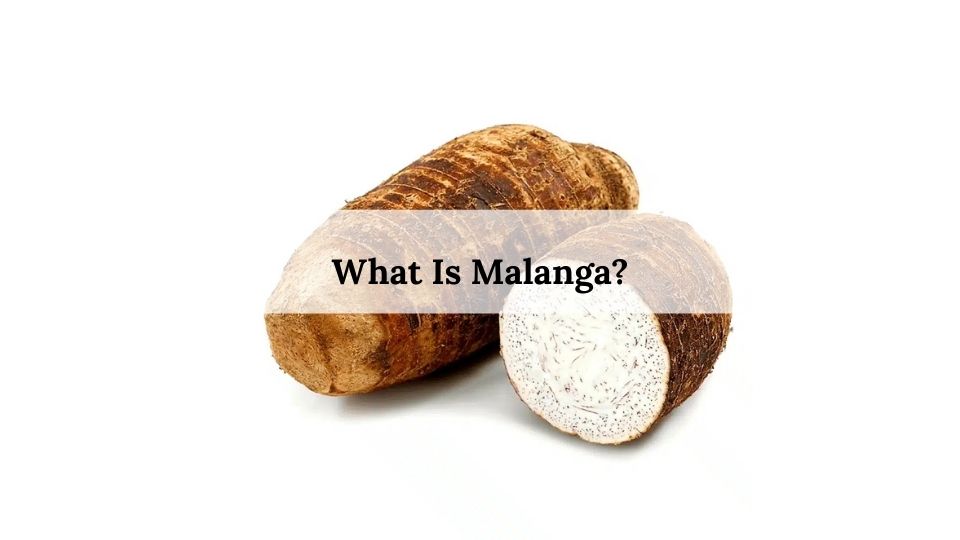
Malanga is a tropical root vegetable that belongs to the plant family Colocasia, which is grown mainly in the Caribbean and several parts of Africa. It is popular for its mild flavours and transition of texture after cooking.
Usually, malanga is used in traditional dishes for its natural and appetising qualities.
It is a nutritious diet that has high dietary nutrition and magnesium. When it is cooked, the striking brown colour of malanga with hairy skin is raw and firm on the outside. Inside it, you will spot white or pale flesh that is cooked to turn soft and fluffy.
Everyone has diverse cooking methods for this root. It is often boiled, mashed or ground into flour for other purposes.
As we know, it is a tropical root vegetable that originally tastes earthy and nutty.
It feels soothing and relaxing to eat from your dishes for neutral flavours. If you are not a big fan of rich flavours, then this simple vegetable is for you.
What Is Yautia?
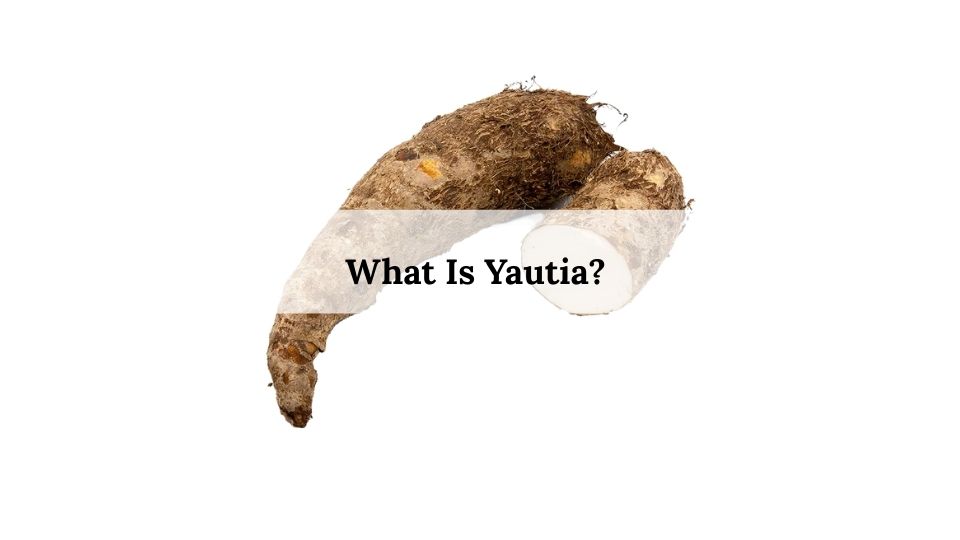
Yautia is another tropical starchy root vegetable that belongs to the Xanthosoma family, from South America.
It is widely known as a tannia that is found in varieties like yautia blanca and yautia lila. They are well-known varieties for cooking purposes. For high yield in Puerto Rico, it is preferred there mainly.
In appearance, it is brown in colour, but inside it, you will find a variety of colours like pink, purple and speckles, which happen to have different flavours and textures.
When you cook the raw and firm yautia, it will quickly become creamy in texture, perfect for food. You will taste a deep, flavourful treat that has even more earthy flavour than malanga does.
It is an exceptional ingredient for traditional dishes and is commonly used by native South Americans and Puerto Ricans.
Yautia is used as a side dish and often mashed with other vegetables.
Are Malanga And Yautia The Same?
The Malanga vs yautia vs yauti is a common comparison that normally confuses people.
I was also confused when I was using it for the very first time. Both malanga and yautia are closely interrelated as tropical roots, but their identity varies depending on the region in which they are grown.
I have culminated the major differences between them that set them apart from each other are listed below.
Regional difference
Malanga and yautia are grown mainly in the Caribbean and Puerto Rico region, which affects the flavours and textures.
Malanga, which is grown in the Caribbean area. The farmers use more oxygenated soil, which makes it relatively firm and more fibrous.
Whereas yautia is grown mainly in Puerto Rico and parts of West Africa. The growing conditions are wet and have much higher soil moisture than the Caribbean region.
Appearance
Malanga roots are brown in colour, but they are white/pale in colour on the inside.
It has long, hairy, and cylindrical skin that is available in medium to large sizes.
On the contrary, yautia roots are also rough, but they look smoother than malanga in appearance, and they are easily recognised for being oval and rounded. It is mostly found in irregular shapes.
Texture After Cooking
When Malanga is raw, it looks dense and hard. After cooking, it turns fluffy and crumbles. It has low moisture that is perfect for mash, chips, fritters and flour.
On the other hand, when Yautia is raw, it looks firm but visibly soft. After cooking, it gets a creamy and silky texture, which is perfect for thick sauces and creamy root mashes.
These differences in texture lead to a distinct change in flavours after cooking them.
This is also the reason why malanga and yautia mashed versions are more popular with the locals.
Flavours
Malanga has a mild and neutral nutty flavour that is more of a comfort taste for people.
It is used in mash, chips, fritters and flour. Malanga roots absorb the seasonings well while cooking. Meanwhile, yautia is a flavourful root vegetable that has strong flavours.
It is a perfect addition to the Puerto Rican native dishes, which are normally creamy and smooth.
Availability
Malanga is widely available on a large scale. The common regions of the distribution are Latin America, the Caribbean, and some parts of Africa.
It is exported quickly from place to place, which makes it easier to find. Yet, yautia is not that popular.
It is found only in the main Caribbean and Puerto Rican region because of limited exportation.
| Features | Malanga | Yautia |
| Plant family | Colocasia species | Xanthosoma species |
| Nutrition | Gluten-free and complex carbohydrates | Even more carbohydrates and provides strength and durability |
| Appearance | White/pale in colour and hairy, rough brown skin | Wide range of colours inside and smooth brown skin with fewer hairs |
| Flavours | Neutral and mild flavours | Flavourful and rich in taste |
| Texture after cooking | Drier and denser when raw, and soft and fluffy after cooking | Raw and firm, but turns creamy and smooth after cooking |
| Availability | Available mostly everywhere in the market | Only found in ethnic markets, which are specialised. |
Necessary Storage Tips For Malanga And Yautia
Even though they are related, they are root vegetables that eventually require a controlled atmosphere to store in the kitchen.
When I used to keep them in the kitchen drawer, they usually spoiled after a few days of buying them. Their growth conditions differ from each other, which elaborates on the separate storage of malanga and yautia.
I observed that malanga requires less moisture than yautia, but yautia spoils faster than malanga. Their storage tips contradict each other, which is far more complicated for us.
Here I have made a table for the storage tips separately for both of them.
| Factors | Malanga | Yautia |
| Moisture | Unsteady moisture, but enough to keep it firm | Consistent moisture for the creamy texture while cooking |
| Storage life | 2-3 weeks in cold temperatures | 1-3 weeks in a breathable container |
| Ideal temperature | 10-15℃ | 10-13℃ |
| Refrigeration | For a short period of time, if needed | For the average period of time to revive the freshness. |
Besides the storage tips, one more thing that concerns most people is whether they should store them peeled or unpeeled.
I store them unpeeled to avoid bacterial formation and molding.
You should wear gloves to create a wall between calcium oxalate crystals on malanga and yautia that can irritate your sensitive skin.
Conclusion
To conclude the discussion above, the rigorous comparison of malanga vs yautia resulted in a close connection as root vegectables.
They are not the same because of their growth and regional differences. It created a major distinction between them.
As for malanga, it is grown in the tropical region of the Caribbean in well-drained soil but requires less moisture to store.
Meanwhile, the Yautia can be grown in the wet conditions of Puerto Rico, which is why it requires consistent moisture to store. If it is not properly stored, then it spoils faster than malanga.
The malanga vs yautia taste distinct from each other, and the Malanga vs yautia nutrition profiles show differences as well. When malanga tastes mild and neutral, yautia tastes flavourful and rich.
When you cook malanga, it stays fluffy and soft, but yautia turns creamy and smooth, which is suitable for soup and sauce.
Overall, malanga and yautia are tropical root staple vegetables grown in different regions.
They are used for cooking purposes in their native dishes uniquely.
Malanga vs yautia health benefits are also often discussed within the culinary world as both root vegetables adapt as per the surroundings.
FAQs on Malanga Vs Yautia
Ans. In English, Yautia is called malanga specifically. Malanga is popular in the Caribbean. On the contrary, yautia is eaten mainly in Puerto Rico, which creates regional and identity differences.
Ans. If malanga is not cooked properly, then it can potentially cause you allergic reactions or digestive issues. Normally, it is a nutritious root vegetable, but you should not eat it raw. Instead, clean it gently to remove the calcium oxalate layer to avoid skin irritation.
Ans. Yautia is native to South America. It is eaten mainly in Puerto Rico, and yautia is grown in the wet conditions in the heavy clay soil. The surroundings of the yautia provide it with a creamy and smooth texture after cooking.
Ans. Malanga is a tropical root that can be used in diverse ways, such as boiling, mashing and frying for chosen taste and texture. Some People use it in soups, fritters, chips and in salad for fluffiness. It tastes neutral but with other elements, the taste enhances.