

As a nature enthusiast and a passionate birdwatcher, I look at the hawks soaring in the sky on some occasions, but what bothered me was the quick recognition of the species.
Red-Shouldered Hawk vs Red-Tailed Hawk is the most common doubt stuck people when they look at them. They look almost identical, which makes it difficult to recognise.
With all these prime commonalities in traits, red-shouldered hawks and red-tailed hawks are seen in the diverse regions of North America. The red-shouldered hawk is medium in size to the red-tailed hawk that is heavy and large.
Collectively, their traits such as appearance, sound, and food make all the difference, which is important for diversity.
Here, we are going to discuss Red-Shouldered Hawk Vs Red-Tailed Hawk in this blog.
After looking at them constantly in the sky, I figured out the major differences to set them apart for easy identification whenever you glance at them above your neighbourhood.
What Is A Red-Shouldered Hawk?
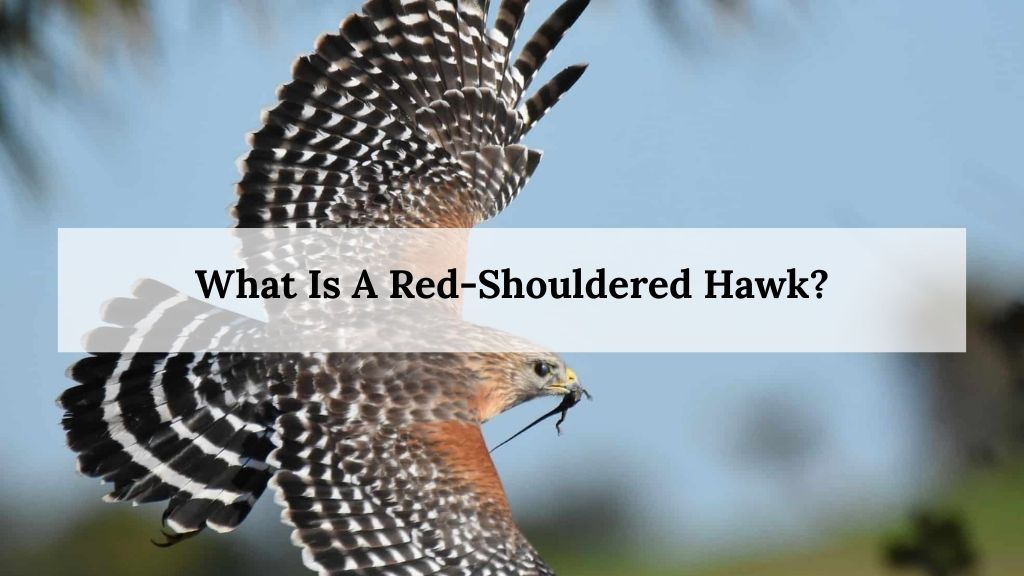
Red-shouldered hawks are a part of the buteo lineatus hawk family. They are medium-sized with spunky brown heads, reddish coloured bare chests and pale bellies.
You will be able to instantly recognise them by their unique appearance, but red-shouldered hawk male vs female is a huge confusion for everyone.
The female hawks are slightly larger than the male ones with narrow white bars on their wings. If you notice their long tail, it has crescent-like edges, which makes their flight extremely suitable for hunting.
For juvenile red shouldered hawks, they lack the flashy red pigmentation but have white with brown barring. Their appearance is often outshone by that of the red-shouldered hawk.
Most Americans wonder are red-shouldered hawks dangerous? Yes, they are safe for humans. But I generally advise most people to avoid the areas where they hunt for safety concerns.
These hawks eat small mammals, including rabbits, rodents and squirrels. Their sense of smell and sight is strong and that makes it easier even during the night.
The sound they make is shrill and dense, following a pattern of kee-yeearr. You can watch them fly in dense woodlands and forests near water sources in many regions of America.
What Is A Red-Tailed Hawk?
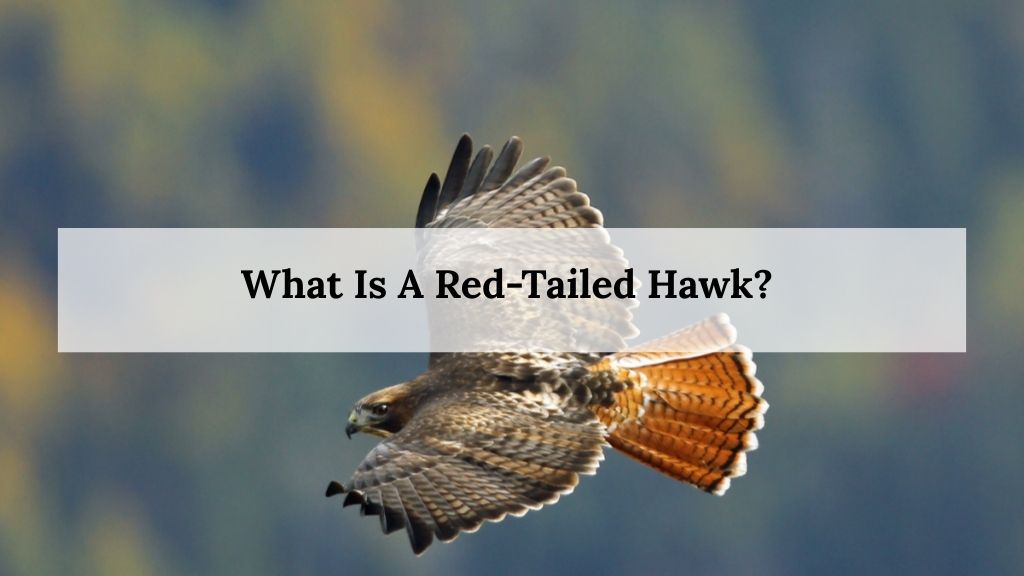
A red-tailed hawk is another admired bird of North America known as a recognisable predator of the same family. This birdcovers a large area of America, including northern Canada, Panama, and Mexico, where they are legally protected.
They are easily spotted in highlands, deserts and grasslands with their large and heavy body. The reddish tail and dark band on the belly are the visual features of their body.
To demarcate between a male and a female – a female hawk is 25% heavier than a male hawk in weight.
Their diet consists of small mammals like rodents, mice and fish, but sometimes they snatch on amphibians and reptiles.
When they prey on their food, their flight speed exceeds 40 mph. With a steam whistle-like sound that follows a pattern of kee-eer, which is a three-second hoarse sound, they scare their prey.
If you consider the reasons when they are nearby, then rest assured. They don’t attack humans except when they feel threatened.
What Is The Difference Between A Red-Tailed Hawk And A Red-Shouldered Hawk?
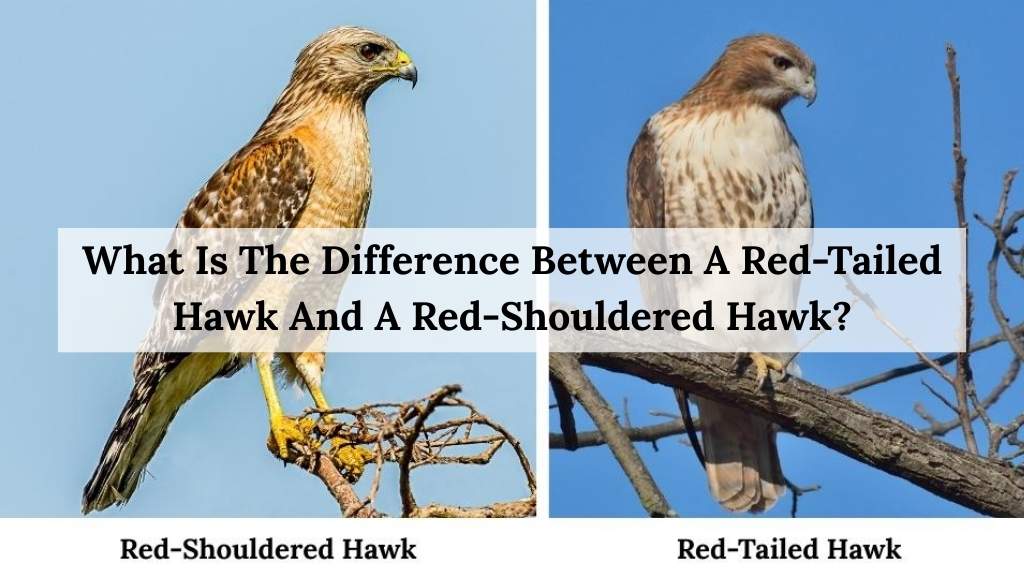
After reflecting on the similarities we optically notice, I got a hang of some major differences in the debate of Red-shouldered Hawk vs Red-tailed Hawk. These hawks appear the same when you spot them in the sky, preying on food.
However, on close inspection of these buteo hawks, they possess their unique features in the conducted comparison.
Here, I have debated over the key differences between the Red-shouldered Hawk and the Red-tailed Hawk to set them apart, whether you are a beginner birdwatcher or a professional.
Size And Appearances
When we equate the red shouldered hawk vs red tailed hawk size and appearance, the red-shouldered hawk is medium-sized (13-25 inches) and its weight is around 1.3-1.9 pounds. They have a brownish head and a noticeable reddish chest, followed by a pale belly.
These hawks have long yellow legs that you can spot easily in the sky when they fly with their long tail with circular edges.
On the contrary, the red-tailed hawks are heavy and bulky, with a weight of 2-3 pounds.
They are 50-60 cm in height, which is the reason why they are called “the largest hawk in America”.
When they take flight, their red coloured short and wide tail can not go unnoticed with a dark brown belly band.
Shape Of Wings And Flight Style
If we do a side-by-side comparison of red shouldered hawk vs red tailed hawk in flight, the red-shouldered hawk takes a flight over the forest region in a flap and glide pattern to catch their prey at an average speed of 29-40 wpm.
They have narrow wings but broad enough to cut through the air for a quick dive. Wings attached to their body have round edges, which are suitable for forest and wetlands.
However, the red-tailed hawks are known to make a flight higher than the red-shouldered hawks in sheer movement to catch their prey. They have very broad and heavy wings, which help them enhance their speed that can exceed 64 mph.
Habitat Preferences
The red-shouldered hawk prefers to stay in the boundary of forest or wetlands near a river, pond or lake to survive on fish and amphibious animals. They look for places where they get a variety of feeding options.
You will find them in the regions of North America, mostly in swamps, streamside forests or any wetland.
The red-tailed hawks are normally seen roaming around grasslands, deserts and open land spaces flying at high altitudes. These hawks constantly look for prey, so staying at a height helps them find their target easily.
Migration Range
Migration plays an important role in the feeding or reproduction season for most birds due to survival reasons. The red tailed hawks are one of those that migrate partially for food towards the south in winter to breed and for better hunting opportunities.
On the other hand, the red-shouldered hawk does not prefer migration. If they are required to do so, then it is mostly because the rivers or swamps are frozen in winters that causes food scarcity. They stay in the same region as long as they can.
Mating Season
Breeding helps birds multiply their numbers to prevent extinction in nature. The red-shouldered hawks’ mating season is between April and July, with activity usually peaking between April and mid-June.
They lay eggs on tall trees in the forest, as it keeps their offspring safe. On the other hand, the red-tailed hawks’ mating season is between late February till May, where the female red-tail hawk lays eggs in a clutch of 1-2 eggs on tall and cliff structures for safety concerns.
Hunting Instincts
The red-shouldered hawks are steady to make a run and stay attentive to take short flights between trees to catch their prey.
They have a perch and ambush mode to feed on amphibious animals, fish, reptiles and small animals. Merely because they live in dense forest canopies, they have developed into a stealth predator of the forest.
Conversely, the red-tailed hawks have strong eyesight, which helps them spot their target from heights. They tackle their prey through ambush and the dive method with precision in a strategic way. They hunt normally on rodents, rabbits or reptiles.
Vocals
When it comes to red shouldered hawk vs red tailed hawk sound, the red-shouldered hawk, they make an intense three-repetitive sound, in the pattern of kee-aah.
Their sound is sharper than a red-tailed hawk, and if you focus more, then you’ll find the rhythmic frequency in their sound.
On the flip side, the red-tailed hawk has a long, screaming sound that takes one scream to communicate with its mates.
It takes them at least 2-3 seconds to make the kee-eer sound at high pitch for more impact.
These are major differences in the comparison, red-shouldered hawk vs red-tailed hawk, which set them apart in the diversity of nature. They not only have differences but also have some similarities. Red-shouldered hawks and red-tailed hawks are known for their own features and variations in appearance and habitat.
Conclusion
To end the discussion, red-shouldered hawk vs red-tailed hawk is a recurrent confusion confronted by passionate birdwatchers and nature enthusiasts, whether you are a beginner or an experienced one.
They face trouble identifying the species of hawk soaring over their neighbourhood sky. These hawks look visually similar, which makes you question if they are comparable in physical traits.
Physical traits that segregate them include their heights, weights, wing shapes and beak colours.
The red-tailed hawks have a hulking body with a short rusty red tail, and red-shouldered hawks are medium-sized birds with a brownish head and long tail to cut through the forest and glide to prey.
Along with these attributes, they differ in nature and habitat.
The red-tailed hawk soars at high altitude and lives near grasslands or deserts. Meanwhile, the red-shouldered hawks linger above the high trees and reside in dense forests or near water sources.
When you spot a hawk next time, make sure to observe the wings, appearance, and the region where they soar to identify easily.
Here, the common feud of red-shouldered hawk vs red-tailed hawk comes to an end with this elaborate comparison blog.
FAQs on Red-Shouldered Hawk Vs Red-Tailed Hawk
Ans. A red-shouldered hawk is not as heavy as a red-tailed hawk and is often spotted in dense forests, soaring on amphibians and fish to feed on with a stealthy method. Contrarily, the red-tailed hawks fly in the open land area to spot their target easily and snatch them with an ambush and dive method.
Ans. The hawk’s biggest enemy is the great horned owl, which is a nocturnal bird. It attacks them at night and feeds on their eggs to survive. They are the apex threat for hawks as they make a move when they are in a vulnerable stage.
Ans. The hawks are most active in the afternoon/midday when the reptiles or amphibians come out of their dwelling space to sunbathe. They feed on those insects and small mammals as they get out of their habitat.
Ans. If you use a reflective deterrent and netting, it can keep hawks away from your property. You should provide a safe space for birds and insects near your house. It enhances the natural habitat for other living beings.