


I learned the hard way that waterproofing the basement or concrete walls is important, when I started to deal with a leaking wall in my basement. So when I started to look into it, I came across the comparison of drylok vs flexseal sealant.
Both products are known for handling the hydrostatic pressure. They both work on masonry and handle the moisture or leakage but with certain limitations.
Drylok is applied on the wall as it deeply penetrates through the pores. This sealant protects from minor seepage and dampness. Because of these features, people consider using this for basement walls.
On the other hand, Flexseal is used on the surface to cover the minor leaks, repairs and cracks that damages the wall over the time. Yet water always finds a way to create leakage in between the cracks and repairs.
With so many waterproofing sealant claiming to fix the problem, it can become a bit unsure which one to choose.
In this blog, we will be doing a comparison between Drylok Vs Flex Seal. Both are designed to protect basement and concrete walls but work differently. I aim to help you understand their differences through this guide.
You May Also Like:
What is Drylok?
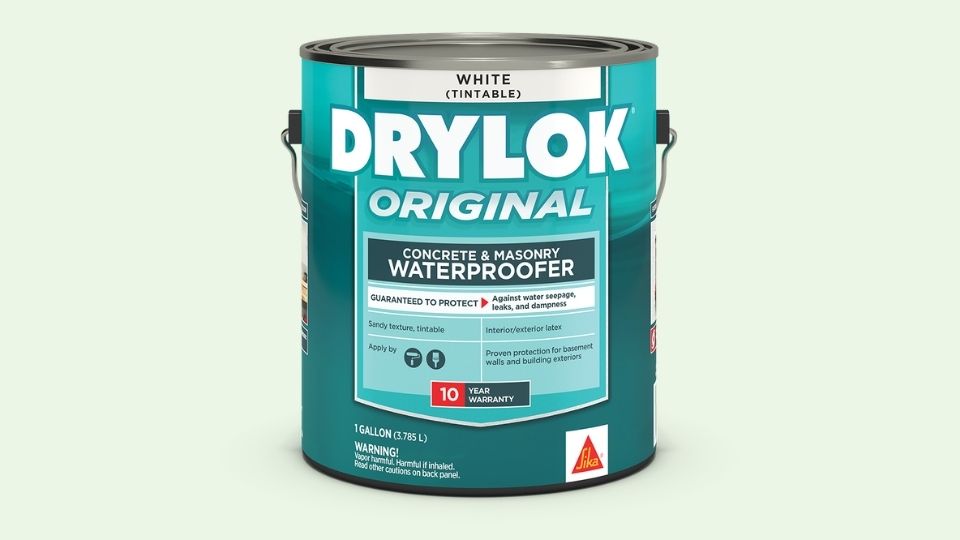
Drylok coating is used for waterproofing on the wall as it deeply penetrates into the concrete surface of basement or foundation walls. This coating works better to seal the pores deep inside the concrete by forming a thick waterproof layer.
It blocks the water with the help of moderate hydrostatic pressure. Although its main aim is to prevent seepage and reduce humidity/ moisture.
This coating is used commonly on basement, foundation and retaining walls including cinder blocks. It is found in wide range that incorporates Drylok Original, Drylok Extreme and Drylok floor & wall. These types are used in versatility for longevity and appearance.
Drylok is one of the strongest masonry waterproofing that lasts up to 10-15 years while acting as a primer.
In real life scenario, it works effectively in preventing damp walls, minor seepage and reducing the moisture.
What is Flex Seal?
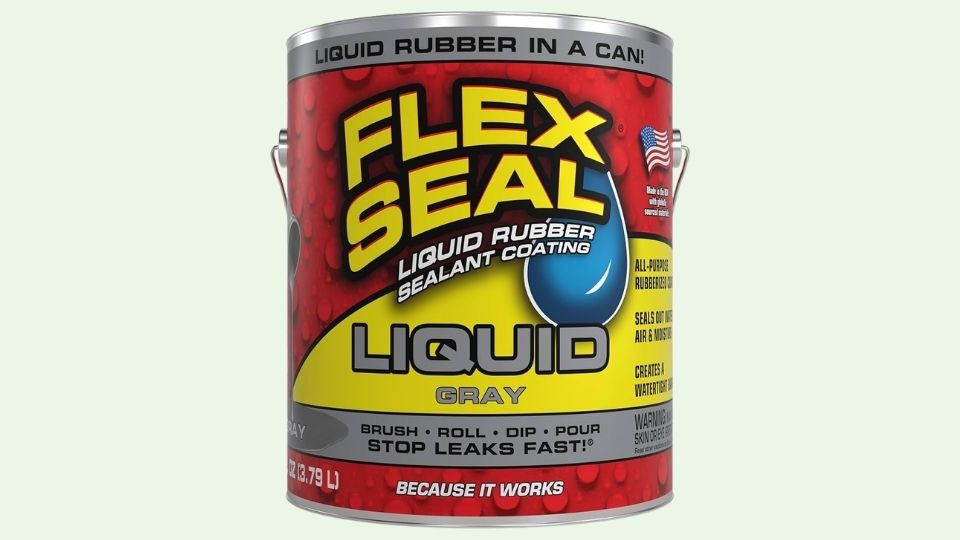
Flex Seal Liquid is a rubberized waterproofing product that is designed to prevent leakage and seal the cracks. People consider using this in case of roof leaks, wall seepage, frame sealing and emergency repairs etc.
For versatile uses, there is a range of products consist of Flex Seal Liquid, Flex Seal Spray, Flex Seal Tape, Flex Seal shot and glue. They can be used on metal, wood, concrete, plastic and even fabric in special cases.
This coating offers an easy application through spraying or painting that eventually works on various kinds of surfaces.
People who haven’t used it before wonder can you use flex seal to waterproof a basement? Yes, due to its flexibility, it provides walls with extreme waterproofing.
While considering its features, it is incredibly resistant to rain, sunlight, snow and humidity. You can even apply it without any professional guidance but it is designed for outdoor purposes.
Flex seal works the best if you let it cure for a while after it is painted over.
Key Differences Between Drylok Vs Flex Seal
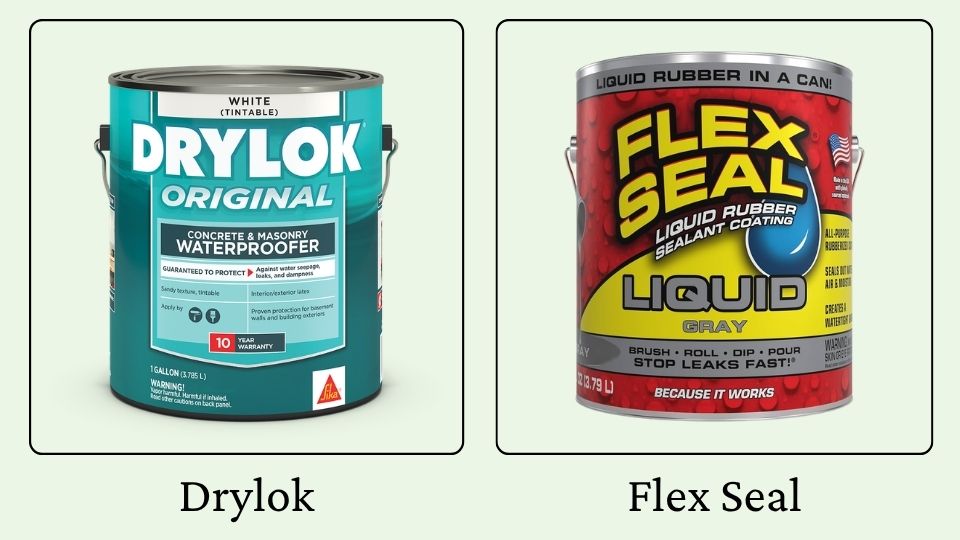
Confusing between Drylok vs flex seal for basement walls is not possible in appearance basis but on quality basis. These two are often compared due to their difference in application, purpose, durability, flexibility and waterproofing.
After a comprehensive review, I came up to stating the key differences below and guide you through the essential choice for your home.
Intended Purpose
Regarding the main purpose of Drylok Paint Vs Flex Seal, Drylok is mainly intended to use in preventing the moisture from seeping into the concrete walls or brick foundations. It entirely seals the surface by deeply penetrating into the wall. Drylok works exceptional for long term coating.
On the other hand, Flex Seal is used as a quick sealant to patch the cracks, holes and stop leakage. It acts like a multi surface repair solution in an instant. On account of these differences, they both are used for distinctive purposes based on the requirements.
Surface Compatibility
Based on the condition of the wall, it is decided which one to use, Drylok Or Flexseal. In case of surface compatibility, drylok is used on concrete, brick, stucco, foundation and cinder block but it is not suitable for wood, metal or glass etc. you should not use this on surfaces, sealant is unable to penetrate into.
Meanwhile, Flex Seal is designed to have multi surface compatibility including metal, wood, plastic, glass, concrete and even fabric sometimes. It coats the surface on the outside but does not penetrate the way drylok does.
Durability & Flexibility
Based on what I have read in multiple drylok vs flex seal reviews, durability and flexibility of the product are two key factors to consider while buying the product.
Drylok offers a long term protection to the wall for at least 5-10+ years and sometimes it lasts for decades. Yet, it has low flexibility as it dries faster into a rigid surface. There is a chance that it can crack through the time if surface expanded.
However, Flex Seal stays on the wall moderately and might require touch ups. With extreme flexibility, it can withstand the movements, vibrations and even expansion of roofs, pipes or joints.
Waterproofing
Waterproofing is the main purpose of the sealant that is fulfilled with the use of Drylok Or Flex Seal.
Drylok is the deep penetrating waterproofing masonry that seals the internal pores and forms a thick and immovable layer. It is designed to stop the constant exposure to moist atmosphere of basement or foundation.
Conversely, Flex Seal is a surface level waterproofing with extreme flexibility. This feature helps in blocking the visible leakage or drips. These two act like a protective outer layer.
Application
When we consider either Drylok Paint Or Flex Seal to apply on the wall, it is necessary to be aware of the procedure. The application of Drylok is performed in a professional coating system.
Initially, surface is cleaned, then priming is done to smoothen the wall. Later two coats are applied carefully and cured at the end.
On the flip side, Flex Seal is applied pretty instantly through direct steps. The wall is prepared then applied using spray, brush or taped in layers. Finally, when they are cured, walls are properly protected from further damage.
Drying or Curing time
After application, the last step of curing or drying the sealant is an important step that affects the efficiency of the product.
Drylok is applied in layer so it takes longer time to dry of at least 2-3 hours but to properly cure, it can potentially take 24 hours or more. This coating takes times to bind as it deeply sits on the surface and form unbreakable bonds.
Conversely, Flex Seal dries faster even though it is rubberized sealant. It takes 2-4 hours in drying which depends on the type of product and to cure, it can take 24-48 hours. Just because it is applied in thin layers, it dries faster.
Cost Comparison
Drylok is normally sold per gallon in big containers that means it is sold on high rates such as $20-$30 per gallon. It covers almost 75-100 square feet which is considered an effective choice for large areas like basement or walls.
Contrarily, Flex Seal is sold in spray can or small containers that is expensive per volume. It is quiet expensive for large areas, hences used for small repairs and leaks.
| Basis | Drylok | Flex Seal |
| Main Purpose | Deep penetrating waterproofing masonry for basement and foundation walls | Surface level waterproofing for small repairs, cracks and leaks |
| Surface Compatibility | Only suitable for concrete, brick and masonry | Flexible use on metal, wood, plastic, rubber and concrete, etc. |
| Durability | Lasts almost 5-10 years or more | Lasts moderately as rubberized material wears off over time |
| Flexibility | Rigid and non flexible, serves hard finish | High flexibility and rubbersized, serves elastic surface |
| Waterproofing | Provides strong waterproofing against hydrostatic pressure | Good for light to moderate water leaks or cracks |
| Application | Performed with professional guidance for durability using brush or roller | Done quickly by spraying, painting or taping with minimal efforts |
| Drying/Curing | Takes 2-3 hours to dry and 24 hours or more to cure properly | Takes 2-4 hours to dry depending on the product type and 24-48 hours to cure properly |
| Cost | Slightly affordable for large areas per gallon | Sold in small quantity but expensive for large areas |
Performance Comparison Of Drylok And Flex Seal In Real Life Scenarios
Choosing between Drylok Vs Flex Seal is an easy choice after analysing the major differences between them. The main decision is taken only when they work up to our requirements. They both work for waterproofing and some other purposes that eventually affects the quality of the result.
Drylok is used generally for basement waterproofing in real life but it does not seal the cracks. It may not work that effectively if the moisture or leakage is excessive. It is also affective for outdoor masonry.
As it becomes a part of wall structure by penetrating it can handle the hydrostatic pressure. In real life interpretation, it is advised for minimal moisture not for heavy leakage.
In the Drylok Vs Flex Seal Reddit reviews, it has been stated that Flexseal is more like a temporary fix for cracks and minimal leakage. It is used mostly in roof leak repairs but for large surface, it is still much more expensive.
Which is better, Flex Seal or Drylok?
When we make a choice, we look for a product that meets our requirements and same goes for Drylok Or Flex Seal. They are good at their significant properties as stated above. Most people confuse between them. Here, I will help you make a pertinent choice for your wall either they leak or possess cracks.
Drylok is used for surfaces that requires deep penetration for long term protection. It resists hydrostatic pressure by building a barrier inside the pores of the wall.
You can use this sealant on your basement wall as it costs affordable in case of large surface area. The only thing you should acknowledge before application, it can crack over time on moving surfaces.
Flex Seal is a quick temporary fix for the wall and repairs small surfaces. Because of its small quantity in container or spray bottle, it costs high for large surfaces. People often face problem when it is unable to resist hydrostatic pressure and water leaks afterwards.
Also, according to multiple drylok vs flex seal reviews amazon, Drylok is preferred for porous masonry, like basement walls, to stop moisture, and offer durable paint-like finish. While Flex Seal is best used for patching cracks, pipes, and providing a flexible, rubberised seal.
Conclusion
Ultimately, the decision between the Drylok vs Flexseal depends on the needs of the wall. You can neither replace them nor avoid them as they eventually protect the wall from consistent moisture and leakage. Choosing the best for your home hinges on the condition if it requires in-depth waterproofing or surface sealant.
Drylok deeply penetrates into the wall through the pores and seal them to ensure the waterproofing. However, Flex Seal is applied on the surface to seal small repairs, cracks and leaks that resists hydrostatic pressure.
Drylok may last decades but Flexseal liquid needs to be re-applied everytime it wears off.
In the end, it does not matter either you choose Drylok or Flex seal, if it protects your house from further damage. Even though Drylok is considered the best for waterproofing but Flex Seal allows you to fix minor repairs.
FAQs on Drylok Vs Flex Seal
Ans. Flex seal should not be used on excessive hydrostatic pressure, high energy engines, underground systems or already painted surface. It is a rubberized coating for temporary coating but not for waterproofing exactly.
Ans. Yes, There could be other sealants better than Drylok based on the requirements. For surface waterproofing, flex seal is one of the best for the same. The other types including radonseal and so on works better for specific conditions.
Ans. Drylok provides a barrier to the wall but does not fix the root cause. It needs to be applied every 5-10 years as the trapped moisture can mold the surface. Sometimes it is unable to resist hydrostatic pressure.
Ans. Yes, you can Apply flex seal to waterproof the basement but it will be a temporary solution to the problem as it may fail in the case of hydrostatic pressure. Flex seal can be used to fix small repairs, cracks and leaks.
Ans. Either is better than each other as these two are considered in specific conditions. Drylok is used to waterproof the wall through deep penetrating and Flex seal is a surface sealant for minor cracks, repairs and leaks of the wall.